
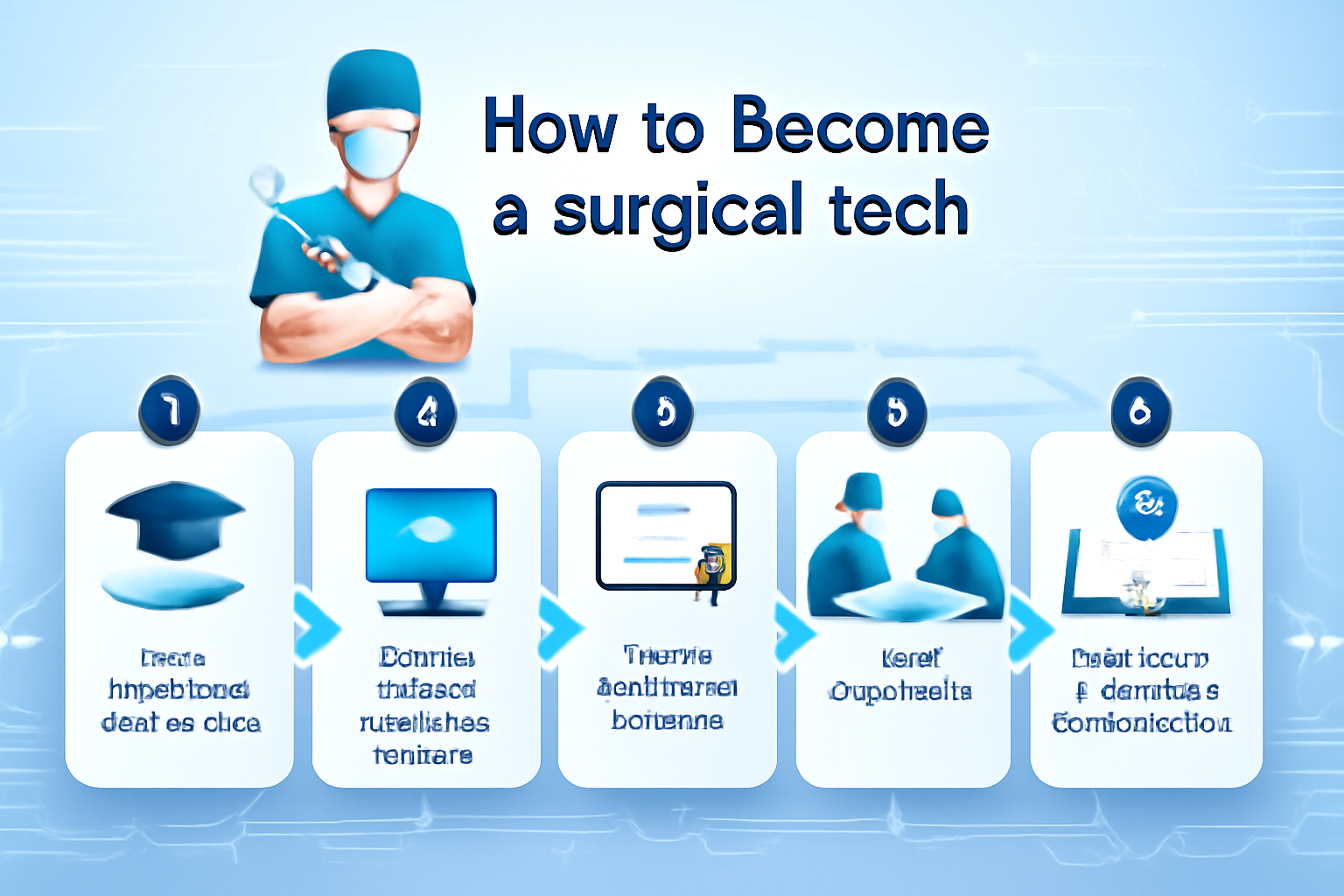
A surgical technologist, also known as a surgical tech, plays a vital role in the operating room, assisting surgeons, nurses, and other healthcare professionals during surgery. Surgical techs are responsible for maintaining a sterile environment, passing instruments to the surgeon, and ensuring everything is ready for a successful procedure.
What Does a Surgical Tech Do?
A surgical tech is responsible for:
- Preparing the operating room: Ensuring everything is sterile and ready for surgery.
- Assisting the surgical team: Passing instruments to the surgeon, holding tools, and sometimes suctioning blood.
- Maintaining surgical instruments: Ensuring all tools are accounted for before, during, and after the procedure.
- Post-surgery tasks: Sterilizing instruments, disposing of medical waste, and helping with patient recovery.
Steps to Become a Surgical Tech
1. Earn a High School Diploma or GED
- Before you can enter surgical tech programs, you’ll need to complete high school or earn a GED. A strong foundation in science, biology, and health-related subjects will be beneficial.
2. Complete a Surgical Technology Program
- Most surgical techs complete an accredited surgical technology program, which can be found at community colleges, vocational schools, or online. These programs typically last 9 months to 2 years and result in either a certificate or an associate degree.
- Coursework will include:
- Anatomy and physiology
- Medical terminology
- Surgical procedures
- Sterilization techniques
- Many programs also require clinical hours, where students gain hands-on experience in operating rooms.
3. Obtain Certification (Optional but Recommended)
- While certification is not required in all states, it can significantly enhance your job prospects. The National Board of Surgical Technology and Surgical Assisting (NBSTSA) offers the Certified Surgical Technologist (CST) exam. Certification requirements may vary, but generally, candidates must:
- Graduate from an accredited surgical tech program
- Pass the CST exam
- Certification demonstrates your proficiency and commitment to the profession, making you more attractive to employers.
4. Gain Experience
- After completing the program and earning certification, you’ll begin working as a surgical tech. Experience in various surgical settings, such as hospitals, outpatient surgery centers, and clinics, will help refine your skills and broaden your knowledge.
5. Keep Learning and Maintain Certification
- Surgical techs need to stay up-to-date with the latest medical technologies, procedures, and safety standards. Many states require continuing education to maintain certification. Surgical techs should also learn new surgical techniques to enhance their skills and career advancement.
Salary and Job Outlook
The salary of a surgical tech can vary based on experience, location, and employer. According to the U.S. Bureau of Labor Statistics (BLS), the median annual wage for surgical technologists was $49,710 as of May 2020.
- Top 10% of surgical techs can earn upwards of $72,000 per year.
- Job growth for surgical techs is expected to grow by 7% from 2019 to 2029, which is faster than the average for all occupations. This growth is due to an increase in surgeries, particularly in the aging population.
Is Becoming a Surgical Tech Right for You?
A career as a surgical tech offers job security, a good salary, and the opportunity to work in a fast-paced, hands-on environment. If you are detail-oriented, enjoy working in healthcare, and have a strong stomach for high-pressure situations, this career could be an excellent fit for you.